
Toddler Won’t Eat Anything Except Snacks — What to Do
A warm, medically responsible guide to helping toddlers who refuse meals and prefer only snacks. Learn the real causes behind this behavior, gentle fixes, and when to seek professional support.
Try Related Tools
Use our source-informed calculators to get helpful insights.
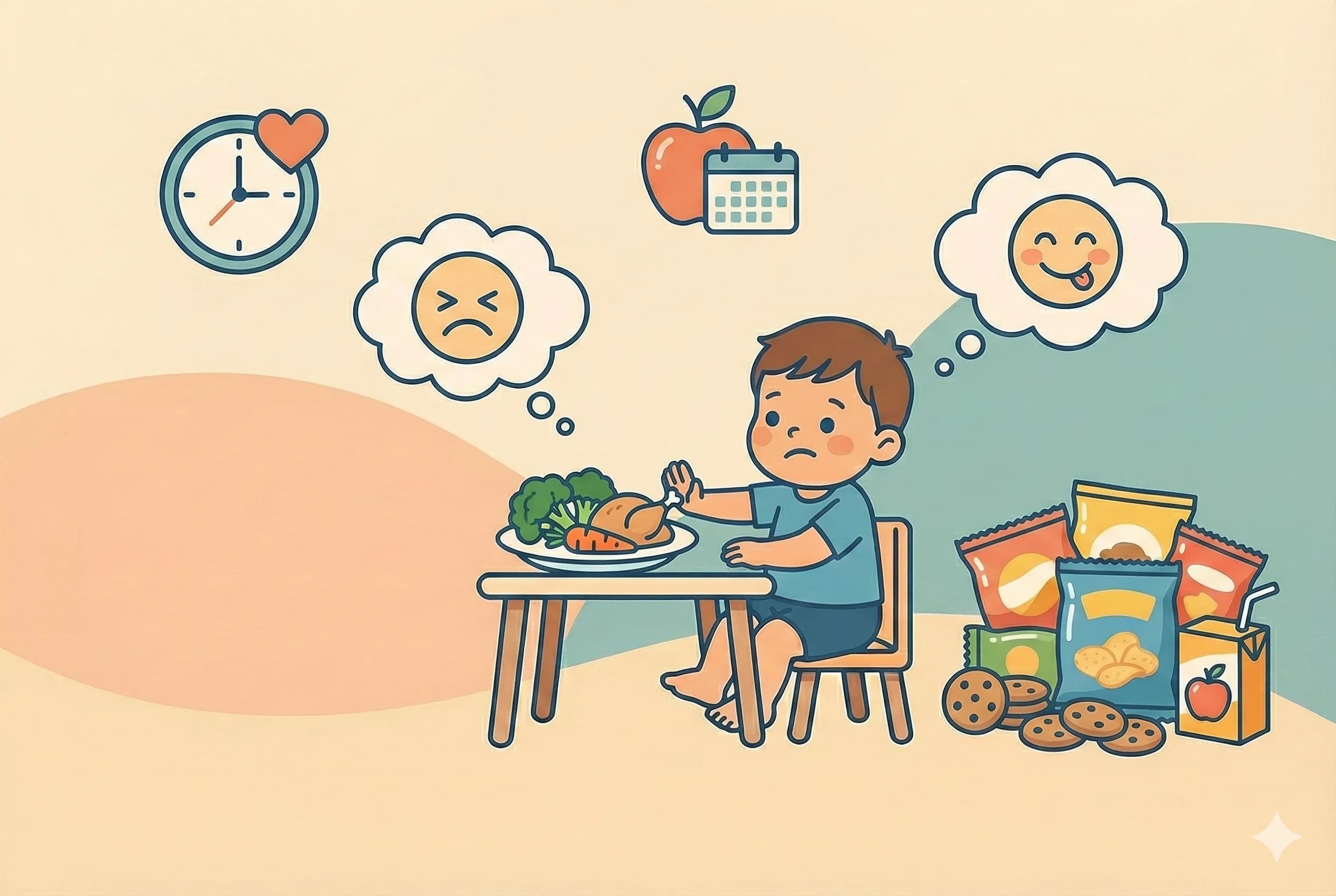
If you feel like your toddler could survive on crackers, puffs, and tiny biscuits alone, you are definitely not the only one. Many mothers describe this phase with the same mix of confusion and concern. One moment your child is happily eating meals, and the next they refuse everything except their favorite snacks. It can make you question whether they are getting enough nutrition or whether something is wrong.
What helps most is knowing that this behavior is incredibly common. Toddlers rely heavily on routine, emotion, and sensory comfort. Snacks often feel familiar, predictable, and easy to chew. Once you understand the reasons behind this shift, the mealtime battles start to feel less personal and much easier to approach with calm solutions.
Table of Contents
- Why Toddlers Prefer Snacks: The Real Reasons
- Gentle Ways to Shift Your Toddler Back to Meals
- Examples of Balanced Meals Toddlers Often Accept
- Helpful Tools to Support Feeding Confidence
- Red Flags That Require Attention
- Why Toddlers Love Snacks: Understanding the Psychology
- How to Introduce New Foods Gently
- Frequently Asked Questions
- References and Further Reading
Why Toddlers Prefer Snacks: The Real Reasons
Toddlers rarely make choices without a reason, even when those choices look irrational to adults. Their snack obsession is usually a mix of biology, development, and emotion.
Appetite Drops Naturally After Age One
In the first year of life, babies grow rapidly and require a lot of calories. After the first birthday, growth slows down. Experts often explain that appetite may reduce so sharply that parents feel worried. Smaller hunger signals make toddlers more drawn to light, quick foods. Snacks fit the feeling of “I want something small, right now.”
Snacks Feel Safe and Predictable
Meals bring surprises. Textures, smells, temperatures, and colors all change from day to day. Snacks, on the other hand, are nearly identical every time. Familiarity brings comfort, especially for toddlers who are still learning how to manage sensory input.
Independence Becomes a Priority
This age is filled with big emotional shifts. Toddlers want to make their own decisions, and food becomes one of the easiest areas to assert control. Choosing snacks gives them a sense of power. Refusing meals is one way toddlers test boundaries in a world they cannot fully understand yet.
Grazing Reduces Hunger at Mealtime
If a toddler has frequent access to snacks, they never feel truly hungry. Even tiny portions of crackers throughout the day can dampen appetite. Many doctors recommend structured timing to help build natural hunger cycles.
Food Neophobia Peaks Around 18 to 30 Months
Neophobia is a normal developmental stage where toddlers become cautious about new foods. From an evolutionary perspective, this helped early humans avoid unsafe foods. Today it shows up as meal refusal and strong preference for “safe” snack foods.
Gentle Ways to Shift Your Toddler Back to Meals
You do not need battles or pressure to help your toddler reconnect with healthy meals. What works best is consistency, calmness, and predictable structure.
1. Create a Feeding Schedule
Regular meals and snacks help reset hunger cues. Many child nutrition experts recommend:
- 3 meals
- 2 to 3 planned snacks
- No grazing in between
This simple shift alone often makes a visible difference in appetite.
2. Offer One Safe Food at Every Meal
A safe food is something your toddler accepts easily. When they see something familiar on the plate, the meal feels less intimidating. This might be rice, fruit slices, or plain bread. Place it next to the new items, not instead of them.
3. Lower the Portion Size
A large plate can overwhelm a small child. Toddlers eat better when portions are tiny and manageable. You can always offer more after they finish.
4. Eat With Them
Toddlers watch you more closely than you think. Sitting together and eating the same meals helps model the behavior you want to see. Many parents notice their child copying bites just because they feel included.
5. Keep Food Neutral
Avoid phrases like “just one bite,” “finish this,” or “no dessert if you don’t eat.” These comments turn food into a power struggle. Staying neutral removes pressure and encourages curiosity.
6. Do Not Replace Uneaten Meals With Snacks
If your toddler skips a meal, let the next scheduled snack come at its usual time. This teaches them that meals matter. It is not punishment. It is structure.
Examples of Balanced Meals Toddlers Often Accept
Simple meals work best for young children. Here are ideas that many toddlers respond well to:
Breakfast
- Soft idli or pancakes with fruit
- Scrambled eggs and toast strips
- Smooth yogurt with banana
Lunch
- Rice with mild dal or vegetables
- Pasta with soft cheese or tomato puree
- Mashed potatoes with peas
Dinner
- Small chapati strips with paneer
- Stirred noodles with finely chopped vegetables
- Soft-cooked chicken with rice
Remember that acceptance varies. One toddler may love something another completely refuses. Progress comes through repetition and exposure.
Helpful Tools to Support Feeding Confidence
Mothers often feel unsure whether their toddler is eating enough. These tools bring clarity:
-
Baby Feeding Amount Calculator: Understand typical serving sizes.
Use: /en/calculators/baby-feeding-amount -
Baby Growth Calculator: Ensure weight and height remain on track.
Use: /en/calculators/baby-growth -
Baby Immunity Milestones Tool: Understand immune development.
Use: /en/tools/baby-immunity-milestones
Red Flags That Require Attention
While picky eating and snack preference are common, some signs indicate the need for medical or feeding therapy support. Speak with your pediatrician if you notice:
- Extreme food limitation (fewer than 10 foods)
- Refusal of entire food groups
- Weight loss or poor weight gain
- Frequent choking or gagging
- Long mealtime meltdowns or anxiety around food
- Sensory issues that interfere with eating
Early help can make a meaningful difference.
Why Toddlers Love Snacks: Understanding the Psychology
Snacks are often:
- Sweet or salty
- Easy to chew
- Predictable in texture
- Packaged in a playful way
For a toddler still exploring autonomy and sensory regulation, these qualities feel comforting. When you view snack preference through this developmental lens, it becomes easier to respond with patience rather than stress.
How to Introduce New Foods Gently
Start With One Bite Exposure
Experts often remind parents that acceptance may take 10 to 15 exposures. A single bite placed on the plate is enough.
Let Them Explore Without Eating
Touching, smelling, or licking are early signs of progress.
Describe Food Instead of Judging It
Use words like “soft,” “warm,” or “sweet,” instead of “yummy” or “healthy.” It builds curiosity without pressure.
Frequently Asked Questions
1. Should I stop snacks completely?
Not at all. Snacks are healthy when planned. What helps is avoiding unscheduled grazing.
2. What if my toddler skips meals often?
Stay consistent with the schedule. Appetites rise and fall. Trust the routine before assuming something is wrong.
3. Are nutritional supplements needed?
Many doctors recommend focusing on food first. Supplements should be discussed with your pediatrician.
4. Is this behavior linked to sensory issues?
Sometimes yes. If your child avoids certain textures or gags easily, mentioning it to your doctor is a good idea.
5. How do I encourage more balanced eating?
Repeated gentle exposure, structured timing, and shared meals are key. Avoid pressure.
References and Further Reading
-
American Academy of Pediatrics:
HealthyChildren.org -
NHS Fussy Eating Guide:
NHS Advice -
CDC Toddler Nutrition:
CDC Infant and Toddler Nutrition
Medical Disclaimer
This article is for educational purposes only. It should not replace advice from your pediatrician or a qualified feeding specialist. Always seek medical guidance if you feel unsure about your toddler’s nutrition or growth.
About the Author
Abhilasha Mishra writes with a focus on gentle parenting, women’s health, and early childhood development. Her work centers on compassion, evidence-based guidance, and practical support for mothers navigating toddlerhood.