
Sensory Play Ideas for Toddlers Using Household Items
A warm, practical guide for mothers looking to support toddler brain development through simple, safe sensory play using everyday items at home.
Try Related Tools
Use our source-informed calculators to get helpful insights.
One of the most encouraging things about toddler development is how little you actually need to support it. You do not need expensive toys, elaborate setups, or Pinterest-perfect trays. Most toddlers grow beautifully when they are given ordinary household items to explore in safe and thoughtful ways.
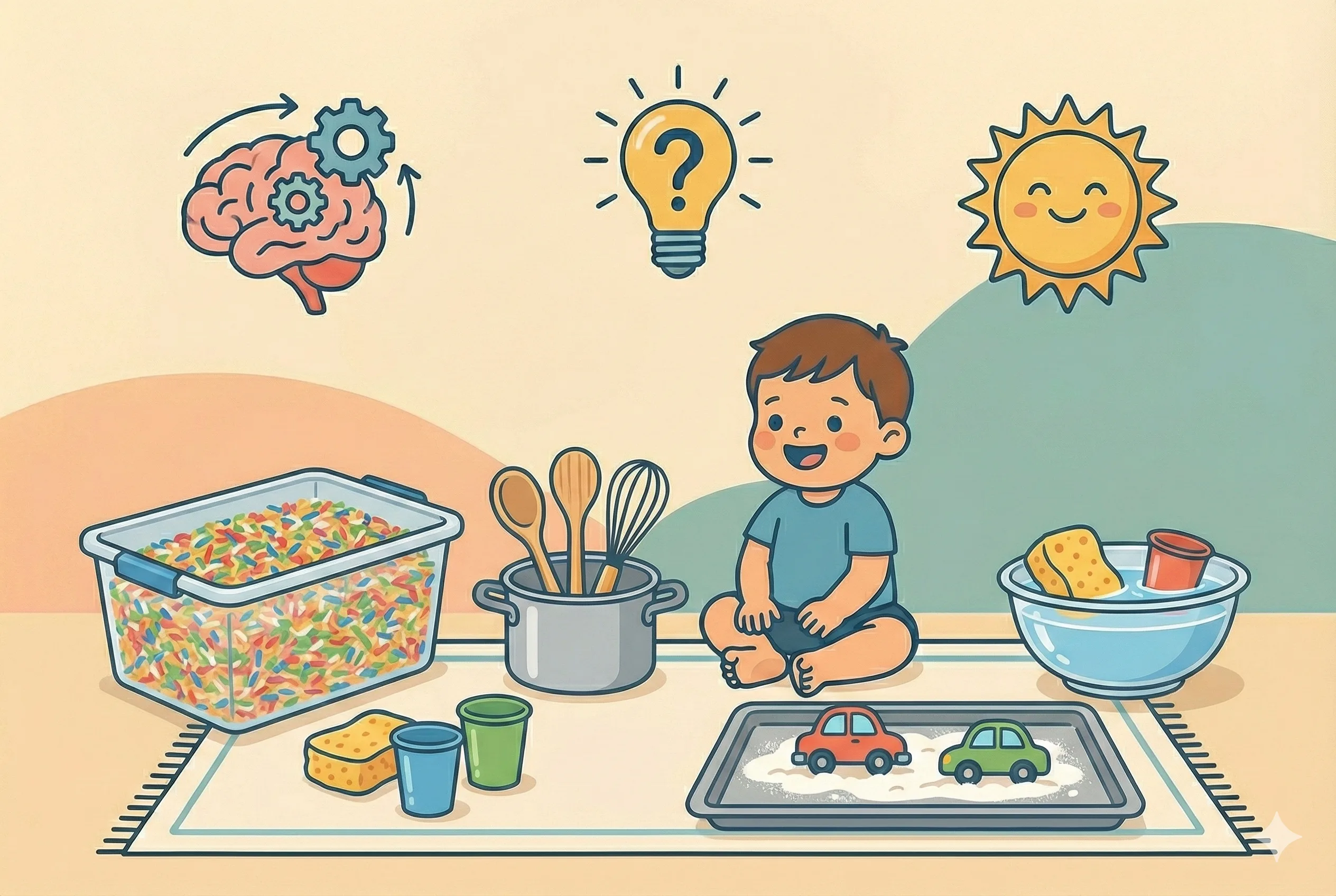
Sensory play strengthens brain development because it engages multiple senses at once. Toddlers learn through touch, sound, smell, movement, and visual contrast. When a toddler scoops rice, shakes a metal spoon, or pushes their hands into warm water, they are making connections that lay the foundation for early problem-solving and emotional regulation.
This guide is designed to help you create meaningful sensory play experiences using objects already in your home. These activities are simple, safe with supervision, and flexible for different ages and personalities. You will also find Amazon query links with your affiliate tag to explore sensory tools if you wish to expand your setup.
Table of Contents
- Why Sensory Play Matters for Toddler Development
- Safety First: What You Must Know
- Household Sensory Play Ideas
- 1. Water Play Basin
- 2. Rice or Lentil Bin
- 3. Nature Basket
- 4. Kitchen Sound Station
- 5. Sensory Bags
- 6. Bubble Foam
- 7. Clothing Texture Basket
- 8. DIY Scent Jars
- 9. Frozen Toy Rescue
- 10. Sensory Walk
- How Often Should Toddlers Do Sensory Play?
- When to Pause Sensory Play
- Frequently Asked Questions (FAQ)
- 1. My toddler hates messy play. What should I do?
- 2. How long should sensory play last?
- 3. Can sensory play help with picky eating?
- 4. What age is appropriate for sensory play?
- 5. Do I need fancy toys?
- 6. How do I keep things clean?
- 7. Is water play safe indoors?
- 8. My toddler mouths everything. Which sensory activities are safe?
- References and Further Reading
- Medical Disclaimer
- About the Author
Why Sensory Play Matters for Toddler Development
Sensory play is more than just messy fun. Many experts explain that it helps build:
Fine motor skills
Scooping, pinching, pouring, squeezing, and stirring strengthen the small muscles in your toddler’s hands.
Language development
During sensory activities, toddlers naturally talk, gesture, or use new descriptive words such as “sticky,” “soft,” “cold,” or “wet.”
Emotional regulation
Sensory experiences have a calming effect. Activities like water play, sand play, or gentle scooping help toddlers slow down and focus.
Curiosity and problem-solving
Sensory materials give toddlers freedom to test ideas. They learn through trial and error without any pressure.
Independent play
When sensory setups are predictable and inviting, toddlers begin playing without needing constant direction.
Safety First: What You Must Know
Before we begin, keep these points in mind:
- Always supervise sensory play.
- Avoid small items for toddlers who still mouth objects.
- Skip raw legumes if your child has a known allergy.
- Keep textures simple for sensory-sensitive toddlers.
When in doubt, stay close and observe.
Household Sensory Play Ideas
Easy, engaging, and toddler-approved
Each of these activities can be done with items you already own. Feel free to adapt based on your toddler’s age and comfort level.
1. Water Play Basin
This is one of the simplest ways to support sensory learning.
What you need
A shallow container, cups, ladles, spoons, silicone cupcake molds, and a towel underneath.
What your toddler learns
- Scooping and pouring
- Understanding volume
- Hand-eye coordination
- Calm, repetitive play
Optional Amazon search (affiliate)
Browse toddler water play tools
2. Rice or Lentil Bin
Dry sensory bins are wonderful for toddlers ready for scooping and pouring.
What you need
A tray or container, uncooked rice or lentils, small cups, funnels, and spoons.
Tips
- Color the rice with food coloring and vinegar for added visual stimulation.
- Keep a dustpan nearby to make cleanup easier.
Optional Amazon search
Browse sensory bin starter kits
3. Nature Basket
This is a gentle, grounding sensory activity that works well indoors or outdoors.
What you need
Leaves, pinecones, smooth stones, flower petals, small sticks, and safe herbs like rosemary or mint.
Why it helps
Toddlers experience texture diversity and smell exploration while developing respect for nature.
Optional Amazon search
4. Kitchen Sound Station
Many toddlers love sound experimentation.
Items to include
Metal bowls, whisks, measuring cups, wooden spoons, silicone spatulas, and empty containers filled with beans or pasta.
What this supports
- Listening skills
- Rhythm
- Understanding cause and effect
Optional Amazon search
Browse toddler-safe kitchen play tools
5. Sensory Bags
Perfect for toddlers who dislike messy textures.
How to make
Fill a zip bag with:
- Hair gel
- Water beads
- Buttons or sequins
- Food coloring
Seal tightly with tape.
Benefits
Your toddler gets tactile input without any mess or risk of mouthing materials.
Optional Amazon search
6. Bubble Foam
Gentle, fluffy, and irresistible.
What you need
Dish soap, water, and a hand mixer.
Steps
Blend until thick foam forms. Add food coloring if desired.
What your toddler learns
- Cause and effect
- Texture exploration
- Calm tactile interaction
Optional Amazon search
Explore toddler foam play ideas
7. Clothing Texture Basket
Toddlers love exploring different fabrics.
What to include
Scarves, socks, soft sweaters, ribbons, lace, and felt.
Learning benefits
- Sensory contrast
- Fine motor skills from pulling, grasping, and folding
- Early sorting (smooth vs rough, thick vs thin)
Optional Amazon search
8. DIY Scent Jars
Introduce gentle scents through natural materials.
What you need
Small jars or containers filled with:
- Lemon or orange peels
- Cinnamon sticks
- Lavender
- Coffee beans
Why it works
Scent-based sensory play helps toddlers build memory associations and emotional awareness.
9. Frozen Toy Rescue
A favorite among older toddlers.
How to set up
Freeze small plastic toys in an ice tray. Give your toddler warm water, droppers, and spoons to “rescue” them.
Skills gained
- Patience
- Problem-solving
- Early science concepts (melting, temperature differences)
10. Sensory Walk
Use household items to create a safe path with different textures.
Options include:
- Bubble wrap
- Towels
- Yoga mats
- Cotton pads
- Aluminum foil
This supports balance, body awareness, and confidence.
How Often Should Toddlers Do Sensory Play?
Many doctors recommend daily or near-daily sensory experiences, even if the activity lasts only ten minutes. Short, meaningful sessions help toddlers regulate emotions and build attention without overwhelming them.
If your toddler seems hesitant, begin with dry, predictable textures such as rice or scarves. Avoid forcing participation. Gentle exposure works best.
When to Pause Sensory Play
If your toddler shows:
- Distress
- Repeated gagging
- Extreme aversion
- Signs of allergy
- Overexcitement that becomes unsafe
Stop the activity and try again another day with a different setup. Every child has unique comfort levels.
Frequently Asked Questions (FAQ)
1. My toddler hates messy play. What should I do?
Start with dry, clean options such as scarves, stacking cups, or sensory bags. Gradually increase texture exposure over weeks.
2. How long should sensory play last?
Around ten to twenty minutes is enough for most toddlers. Some may explore longer when deeply engaged.
3. Can sensory play help with picky eating?
Sometimes it helps because sensory tolerance improves across all areas, including food textures.
4. What age is appropriate for sensory play?
From six months onward with safe materials and supervision. Adjust textures based on your child's needs.
5. Do I need fancy toys?
Not at all. Household items are often the most effective and child-led.
6. How do I keep things clean?
Contain activities in trays or tubs. Keep wipes and a small broom nearby.
7. Is water play safe indoors?
Yes, with close supervision and towels underneath.
8. My toddler mouths everything. Which sensory activities are safe?
Use water play, large scarves, silicone tools, and sealed sensory bags. Avoid small pieces and dry foods.
References and Further Reading
-
Zero to Three: Sensory Play Guidance
https://www.zerotothree.org -
American Academy of Pediatrics: Early Development
https://www.healthychildren.org -
NAEYC: Learning Through Play
https://www.naeyc.org
Medical Disclaimer
This article provides educational information only. It does not replace medical advice. Always consult your pediatrician for concerns about your child’s development, reactions, or sensory needs.
About the Author
Abhilasha Mishra writes about toddler development, early learning, and gentle parenting. She focuses on making research-backed information warm, practical, and encouraging for mothers.