
Picky Eating in Toddlers: Causes, Fixes & Red Flags
A warm, medically responsible guide to understanding picky eating in toddlers. Learn why it happens, how to support healthier eating habits, and which signs deserve attention from a healthcare provider.
Try Related Tools
Use our source-informed calculators to get helpful insights.
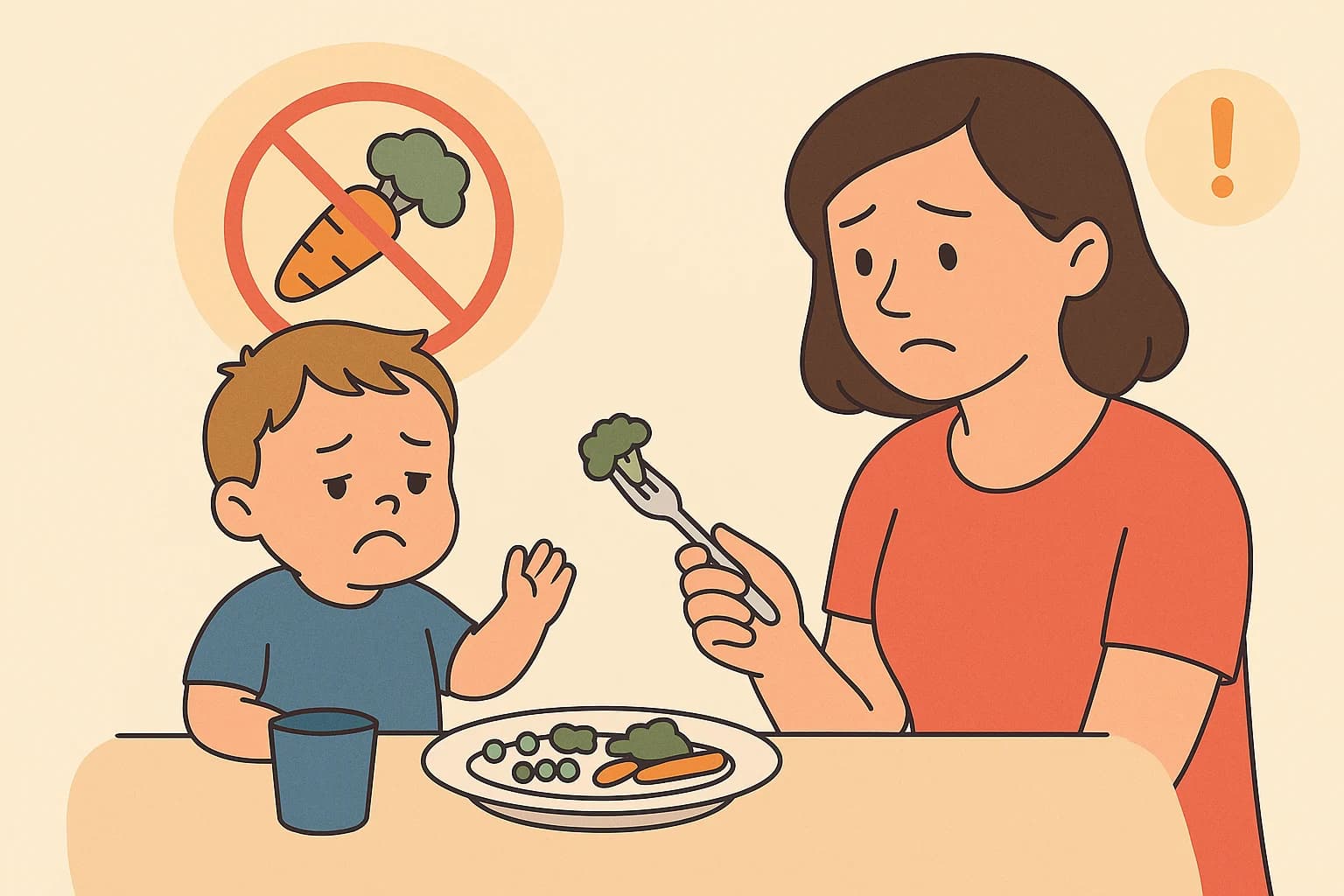
Picky eating can take even the calmest mother to the edge of frustration. One day your toddler happily finishes a bowl of fruit, and the next day they act as if the strawberry you offered might bring the world to an end. If this sounds familiar, you are not alone. Many parents describe this phase as one of the most confusing parts of raising a toddler.
What often helps is knowing that picky eating is very common, and in most cases, development plays a major role. Understanding the reasons behind these changes can make the whole experience feel far less personal and much easier to manage.
Table of Contents
- Why Toddlers Become Picky: The Real Reasons Behind the Struggle
- How to Gently Encourage Better Eating Habits
- A Month-by-Month Look: What’s Normal Between 12 and 36 Months
- When Picky Eating Becomes a Red Flag
- Simple Meal Ideas That Toddlers Often Accept
- Helpful Tools to Support Feeding and Growth
- Gentle Strategies for Introducing New Foods
- Frequently Asked Questions
- References and Further Reading
Why Toddlers Become Picky: The Real Reasons Behind the Struggle
Toddlers are not trying to upset you. Their eating choices can shift for several biological and emotional reasons. Once you see the bigger picture, many of their reactions start to make sense.
Growth Slows Down
During the first year, babies grow rapidly and need a huge amount of energy. After age one, growth slows, and appetite naturally decreases. Many doctors explain that this drop can be quite dramatic. Your toddler may genuinely feel less hungry, which can look like picky behavior.
Independence Starts to Bloom
Toddlers are wired to explore their independence. Food becomes one of the first ways they test control. Rejecting a meal or choosing only familiar foods makes them feel safe and powerful in a world that still feels big.
Sensory Sensitivity
Taste, smell, and texture preferences become stronger. Research suggests that toddlers who are more sensitive to textures may avoid foods that feel “wet,” “slimy,” or “grainy.” This has nothing to do with stubbornness. Their nervous system is still learning how to process sensations.
Fear of New Foods (Neophobia)
Between 18 and 30 months, a natural stage called “food neophobia” increases. New foods feel intimidating. This is a protective instinct rooted in evolution, where toddlers once avoided unknown foods for safety.
How to Gently Encourage Better Eating Habits
Even though picky eating is normal, it can feel stressful when meals turn into battles. What helps most is a gentle, structured approach. Your toddler may not change overnight, but small steps create big progress over time.
1. Follow the Division of Responsibility
Experts often explain a simple rule that brings calm to mealtimes:
- You decide the what, where, and when of meals.
- Your toddler decides whether and how much to eat.
This removes pressure and creates a predictable eating environment.
2. Offer Safe Foods With New Foods
Pair familiar foods with one new option. If your toddler loves rice, offer rice along with a tiny piece of vegetable. Many parents find that repeated exposure works better than forcing.
3. Keep Portions Small
A toddler’s stomach is tiny, about the size of their fist. Large servings can be overwhelming. Small portions feel more manageable and reduce mealtime resistance.
4. Eat Together
Children learn from watching you. Sitting together and sharing the same foods sends a powerful message. Toddlers are more open to trying foods they see you enjoying.
5. Make Food Fun
Simple touches like colorful plates or playful food shapes can make meals feel inviting. You do not need elaborate creations. Just a little creativity often brings curiosity to the table.
6. Respect Their Fullness Cues
Forcing bites can create long-term negative associations with food. Many doctors recommend trusting your toddler’s hunger cues. Healthy children are naturally good at regulating intake.
A Month-by-Month Look: What’s Normal Between 12 and 36 Months
If you are curious about what eating patterns typically look like across toddlerhood, our detailed milestone guide may help. It explains feeding, motor, and social behaviors for each age group.
See: 12–36 Month Toddler Milestones: A Complete Month-By-Month Guide
When Picky Eating Becomes a Red Flag
While picky eating is usually harmless, certain signs deserve attention. Many child nutrition specialists suggest speaking with your pediatrician if you notice:
- Very limited food variety (fewer than 10 foods)
- Refusal of entire food groups
- Gagging or vomiting when trying new textures
- Poor weight gain or weight loss
- Feeding causes distress or long tantrums
- Difficulty chewing or swallowing
If these issues appear, early guidance can make a tremendous difference.
Simple Meal Ideas That Toddlers Often Accept
Here are gentle, toddler-friendly options that balance nutrition with ease:
Breakfast Ideas
- Soft scrambled eggs with fruit
- Mini pancakes with yogurt
- Oatmeal with banana slices
Lunch Ideas
- Rice with mild vegetables
- Soft chapati strips or pasta
- Mashed potatoes with peas
Snack Ideas
- Fruit pieces
- Cheese cubes
- Whole-grain crackers
Helpful Tools to Support Feeding and Growth
These tools can bring clarity and confidence when tracking your toddler’s overall development:
-
Baby Growth Calculator: Helps you understand if weight and height are on track.
Use: /en/calculators/baby-growth -
Baby Feeding Amount Calculator: Helps estimate typical portion sizes.
Use: /en/calculators/baby-feeding-amount -
Baby Immunity Milestones Tool: Helps track immune system development.
Use: /en/tools/baby-immunity-milestones
Gentle Strategies for Introducing New Foods
Repeated Exposure Works
Research suggests that toddlers may need to see a new food 10 to 15 times before accepting it. Consistency brings familiarity.
Let Them Explore With Touch
If they touch or smell the food, this still counts as progress. Some children need sensory exploration before they take a bite.
Keep Mealtime Calm
Avoid bargaining or bribing. A calm atmosphere helps your child feel secure and more willing to try things.
Involve Them in Preparation
Toddlers love feeling included. Let them choose between two vegetables or help wash fruit. Shared participation often increases interest.
Frequently Asked Questions
1. Is picky eating a phase or a long-term issue?
For most toddlers, it is simply a phase linked to growth, independence, and sensory development. However, persistent or extreme picky eating can indicate feeding difficulties that benefit from professional support.
2. Should I stop giving snacks?
Balanced snacks are fine. What helps most is avoiding constant grazing. Structure creates a healthy appetite for meals.
3. Are multivitamins recommended?
Many doctors recommend focusing on real foods first. Supplements may be suggested if your toddler has very limited intake, but this should always be guided by a healthcare provider.
4. What if my toddler refuses vegetables entirely?
You are not alone. Offer vegetables in different forms and keep the pressure low. Small exposures add up over time.
5. When should I worry about weight?
If you feel unsure, check growth with your pediatrician or use our Baby Growth Calculator for general guidance.
References and Further Reading
- American Academy of Pediatrics: HealthyChildren.org
- NHS UK Fussy Eating Guidance: NHS Advice
- CDC Toddler Nutrition: CDC Dietary Guidelines
Medical Disclaimer
This article is for educational purposes only and should not replace professional medical advice. Always consult your pediatrician if you have concerns about your child’s feeding, growth, or development.
About the Author
Abhilasha Mishra writes about parenting, women’s health, and child development. Her work focuses on compassion, clarity, and scientifically grounded guidance for mothers navigating early childhood.