
Common Toddler Allergies: Symptoms & Foods to Avoid
A medically responsible, mother-centered guide to understanding toddler allergies, early symptoms, common triggers, and safe ways to manage reactions at home.
Try Related Tools
Use our source-informed calculators to get helpful insights.
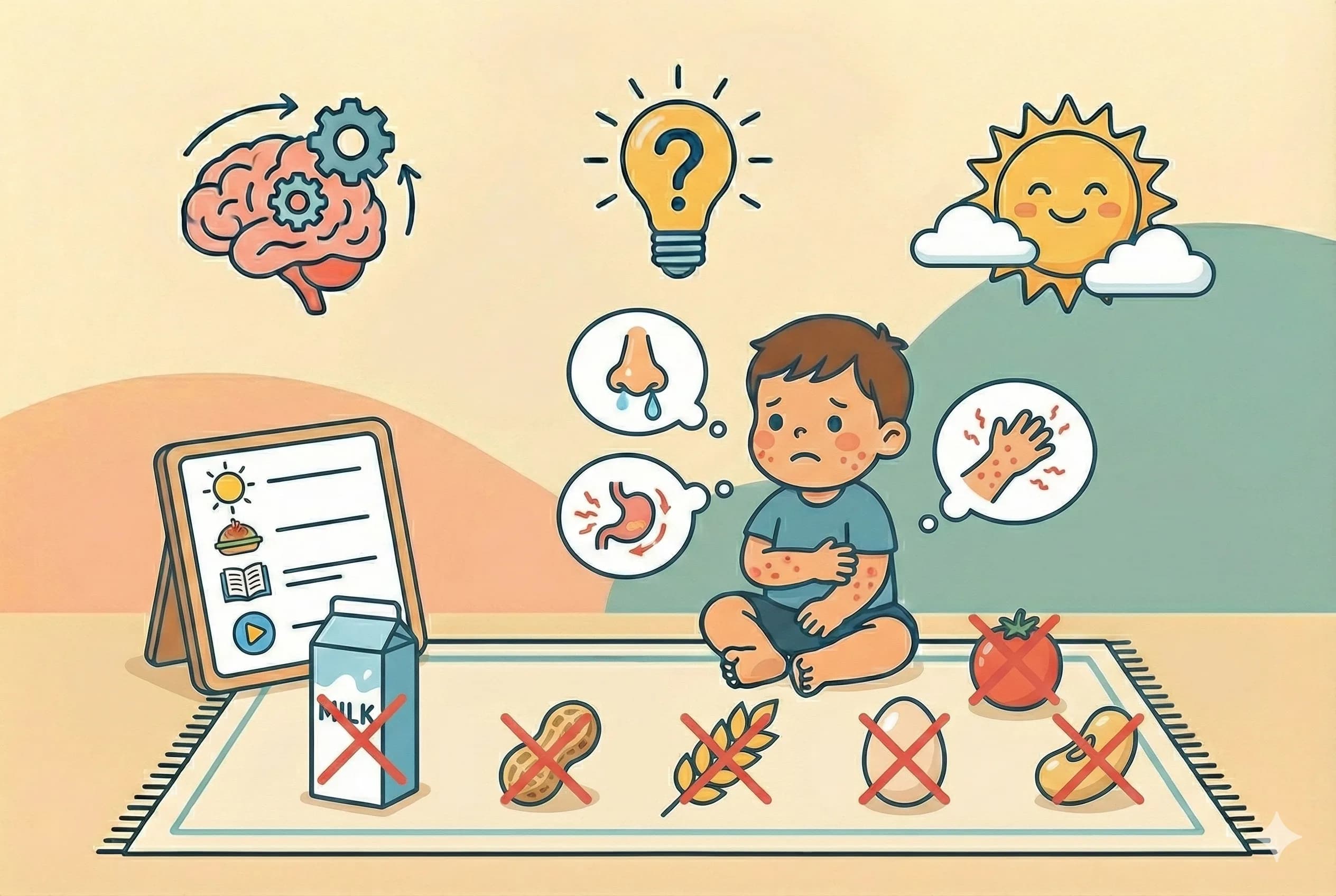
Allergies in toddlers can feel frightening for any mother. One day your child enjoys a food without trouble and another day their skin reacts, or they start sneezing, or their stomach seems unsettled. Even mild symptoms can be confusing because toddlers have limited ways to express how they feel. You may find yourself wondering whether it was the food, the weather, a new detergent, or simply a random toddler reaction.
The good news is that most toddler allergies are manageable once you know the signs and understand the common triggers. Many doctors explain that early identification helps prevent unnecessary discomfort and keeps children safe as they grow. This guide walks you through the most common allergies seen in toddlers, what symptoms to watch for, and how to handle them in a calm and informed way.
Table of Contents
- What Exactly Is an Allergy?
- Common Allergy Symptoms in Toddlers
- Most Common Food Allergies in Toddlers
- Environmental Allergies
- Allergies vs Intolerances: A Helpful Difference
- Foods Toddlers Should Avoid If They Have Allergies
- Safe Introduction and Prevention Tips
- When to See a Pediatrician or Allergist
- Practical Tips for Daily Life With Allergies
- Frequently Asked Questions (FAQ)
- 1. Can toddlers outgrow allergies?
- 2. Are rashes always allergies?
- 3. Should I avoid allergens during pregnancy or breastfeeding?
- 4. Can allergies cause behavior changes?
- 5. Is a mild reaction a sign of a future severe reaction?
- 6. Should I keep antihistamines at home?
- 7. What if my toddler reacts to something they have eaten safely before?
- 8. Are home allergy tests reliable?
- References and Further Reading
- Medical Disclaimer
- About the Author
What Exactly Is an Allergy?
An allergy occurs when the immune system reacts to something that is usually harmless. In toddlers, the most common triggers include certain foods, pollens, pet dander, medications, and insect bites. Their immune system is still developing, which means reactions can vary from mild skin irritation to more noticeable symptoms like stomach upset or breathing difficulty.
Experts often explain that allergies can appear suddenly or gradually, and some children outgrow them while others require ongoing management.
Common Allergy Symptoms in Toddlers
Symptoms can range from subtle to obvious. You may notice:
Skin reactions
- Red bumps or hives
- Dry, itchy patches
- Swelling around the eyes or lips
- Rash that spreads quickly after eating a food
Digestive symptoms
- Vomiting shortly after eating
- Loose stools or diarrhea
- Stomach cramps
- Bloating or gas
Breathing symptoms
- Sneezing
- Runny or stuffy nose
- Coughing
- Wheezing (always requires medical attention)
Behavioral changes
Toddlers may become clingy, irritable, or unusually quiet when uncomfortable.
If symptoms worsen rapidly, especially with swelling, breathing difficulty, drooling, or inability to swallow, seek emergency care immediately. These signs may indicate a severe reaction.
Most Common Food Allergies in Toddlers
Research suggests that food allergies are rising worldwide. The foods known to trigger reactions most frequently include:
1. Milk
Many toddlers react to cow’s milk protein. Symptoms often appear in the digestive system or skin.
2. Eggs
Egg allergies usually involve hives, rashes, or stomach symptoms.
3. Peanuts and tree nuts
These allergies can be more intense. Even small amounts may cause noticeable reactions.
4. Soy
Soy can trigger rashes or loose stools in sensitive toddlers.
5. Wheat
This may cause skin irritation or digestive discomfort.
6. Fish and shellfish
More common in older children but possible in toddlers as well.
7. Sesame
Increasingly recognized as a common childhood allergen.
Not every reaction means a true allergy. Sometimes toddlers have temporary intolerance or sensitivity. Only a pediatrician or pediatric allergist can confirm a diagnosis.
Environmental Allergies
A growing concern as toddlers spend more time outdoors
1. Dust mites
Can cause runny nose, sneezing, or nighttime coughing.
2. Pet dander
May trigger itchy eyes, rashes, or nasal congestion.
3. Pollen
Seasonal allergies often start showing in toddlerhood.
4. Mold
Can irritate breathing and cause chronic congestion.
5. Insect bites
Some toddlers react strongly to mosquito or ant bites.
Environmental allergies usually cause breathing or skin symptoms rather than digestive issues.
Allergies vs Intolerances: A Helpful Difference
Many mothers confuse the two because symptoms sometimes look similar.
Allergies
Involve the immune system
Can cause hives, swelling, stomach upset, or breathing issues
Reactions may happen within minutes
Intolerances
Involve digestion
May cause gas, bloating, or discomfort
Not life-threatening
An intolerance does not require strict avoidance the way an allergy does, but guidance from your pediatrician helps ensure safety.
Foods Toddlers Should Avoid If They Have Allergies
Avoiding known triggers is the safest approach, but be sure to do this under medical supervision.
Milk allergy
Avoid yogurt, cheese, butter, and foods containing milk solids.
Egg allergy
Avoid baked goods with eggs, mayonnaise, and some pasta.
Peanut or tree nut allergy
Avoid nut butters, snack bars, and foods processed in shared facilities.
Wheat allergy
Avoid breads, cereals, and pasta unless labeled wheat free.
Soy allergy
Avoid soy milk, tofu, and processed foods with soy protein.
Fish or shellfish allergy
Avoid all seafood and check food labels carefully.
Sesame allergy
Avoid tahini, sesame seeds, and breads topped with seeds.
Always read labels, since allergens can appear in unexpected places.
Safe Introduction and Prevention Tips
Many doctors recommend the following approach when introducing new foods:
Introduce one new food at a time
This helps identify reactions clearly.
Offer small amounts initially
Wait ten to fifteen minutes before offering more.
Avoid mixing new foods together
This makes it easier to pinpoint triggers.
Do not delay high-allergy foods without medical advice
Research suggests that early introduction may lower allergy risk in some children.
Keep emergency contact numbers handy
If your child has a diagnosed allergy, your doctor may prescribe emergency treatment.
When to See a Pediatrician or Allergist
Consult a doctor if your toddler experiences:
- Repeated hives that appear after certain foods
- Breathing difficulty
- Persistent coughing after meals
- Vomiting that starts immediately after eating
- Rashes that do not improve
- Family history of strong allergies
- Reactions that worsen with each exposure
Early testing helps prevent more intense reactions later and gives mothers peace of mind.
Practical Tips for Daily Life With Allergies
Create a safe home environment
Keep allergen-free zones for snacks and meals.
Inform caregivers
Share written instructions with grandparents, daycare staff, and babysitters.
Keep snacks simple
Fresh fruit, vegetables, and allergy-safe crackers reduce risk.
Meal prep to reduce mistakes
Replace common allergen ingredients with safe alternatives.
Build confidence in your toddler
As they get older, teach them to say “No, this food hurts my tummy.”
Frequently Asked Questions (FAQ)
1. Can toddlers outgrow allergies?
Yes. Many children outgrow milk, egg, wheat, and soy allergies between ages three and five. Nut allergies are more persistent but sometimes improve.
2. Are rashes always allergies?
Not always. Some rashes come from irritation, heat, or viral infections.
3. Should I avoid allergens during pregnancy or breastfeeding?
Most doctors do not recommend avoidance unless you already have a severe allergy.
4. Can allergies cause behavior changes?
Yes. Discomfort often makes toddlers clingy, restless, or fussy.
5. Is a mild reaction a sign of a future severe reaction?
Not necessarily. Each reaction is unpredictable, which is why medical advice is important.
6. Should I keep antihistamines at home?
Many pediatricians suggest having an age-appropriate antihistamine available but only using it under guidance.
7. What if my toddler reacts to something they have eaten safely before?
Allergies can develop later. Stop the food and consult your doctor.
8. Are home allergy tests reliable?
Most pediatric experts do not recommend them. Clinical evaluation is safer and more accurate.
References and Further Reading
-
American Academy of Pediatrics: Food Allergy Guidance
https://www.healthychildren.org -
AAAAI: Allergy Symptoms and Diagnosis
https://www.aaaai.org -
National Institute of Allergy and Infectious Diseases (NIAID)
https://www.niaid.nih.gov
Medical Disclaimer
This article provides educational information and is not a substitute for professional medical advice. Always contact your pediatrician if your child shows signs of an allergic reaction.
About the Author
Abhilasha Mishra writes about toddler nutrition, development, and pediatric wellness. Her goal is to help mothers feel informed, supported, and confident in caring for their children.