
Aggressive Behavior in Toddlers: Biting, Hitting, Throwing
A warm, expert-backed guide to understanding why toddlers bite, hit, or throw things. Learn the real causes, gentle solutions, and the red flags that deserve attention.
Try Related Tools
Use our source-informed calculators to get helpful insights.
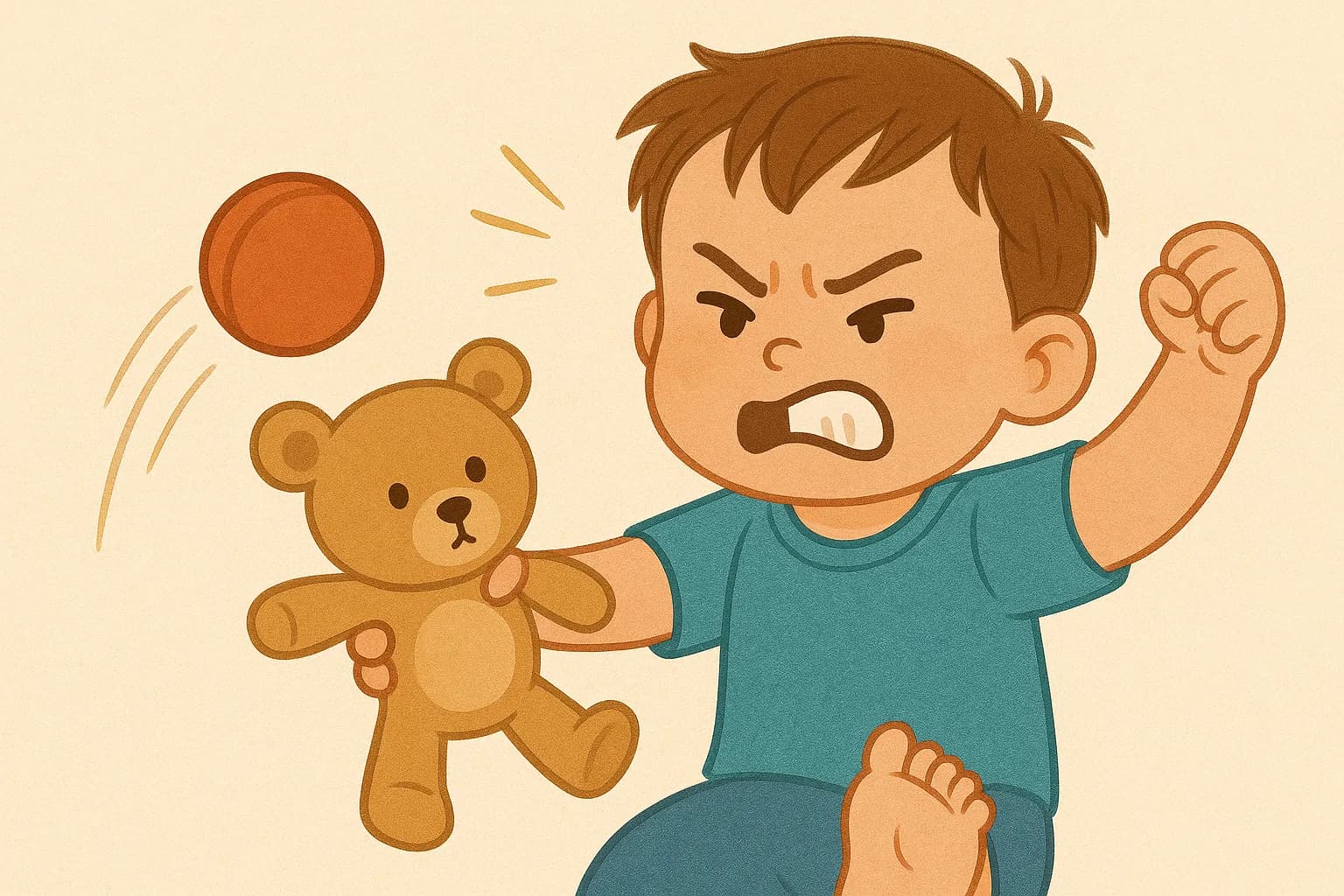
There are moments in toddlerhood that leave even the calmest mother feeling shaken. One minute your child is playing quietly, and the next they are biting another child, hitting you during a diaper change, or throwing toys across the room with surprising strength. It can feel personal, embarrassing, and confusing. You may wonder whether you did something wrong or whether something is wrong with your toddler.
If this sounds familiar, take a deep breath. Aggressive behavior in toddlers is far more common than most parents realize. In many cases, it is not a sign of bad behavior or poor parenting. It is a sign that your toddler’s emotional world is growing faster than their ability to express it. Understanding why these behaviors happen is the first step toward supporting healthier communication and calmer days.
Table of Contents
- Why Toddlers Show Aggressive Behavior
- What Each Type of Aggression Usually Means
- Gentle, Effective Ways to Reduce Toddler Aggression
- How to Respond in the Moment
- When Aggression Becomes a Red Flag
- How to Support Your Toddler’s Emotional Growth Long-Term
- Frequently Asked Questions
- References and Further Reading
Why Toddlers Show Aggressive Behavior
Toddlers are not born with the ability to control impulses or understand consequences. Their brain is still developing the skills needed for self-control, empathy, and communication. Until these skills mature, aggression becomes a natural outlet for big feelings.
Limited Communication Skills
Many toddlers know what they want long before they can express it clearly. This gap between desire and communication can create frustration. When a toddler cannot find the right words, they often rely on their body to “speak” for them. A hit or bite becomes a quick way to show anger, fear, or excitement.
Overstimulation and Sensory Overload
Crowded rooms, loud sounds, bright lights, or fast activity can overwhelm a toddler. Research suggests that overstimulation can trigger impulsive actions like hitting or throwing. These behaviors become a release valve when the environment feels too intense.
Desire for Independence
Toddlers crave autonomy. When they feel controlled or restricted, they may express resistance through physical actions. This is especially common during transitions like putting on clothes, getting into the car seat, or stopping playtime.
Impulse Control Still Developing
The parts of the brain that manage impulse control are not fully formed until adolescence. Toddlers often act before they think. A sudden push or bite usually happens before they even understand what they have done.
Strong Emotions With No Regulation Skills
Toddlers experience emotions in a raw and unfiltered way. Joy, fear, anger, excitement, and frustration can feel overwhelming. Many doctors explain that aggression peaks around ages two and three because emotional regulation skills are still very immature.
What Each Type of Aggression Usually Means
Biting
Biting often peaks between 18 and 24 months. It can be triggered by frustration, teething discomfort, or a sudden surge of emotion. Some toddlers also bite when they feel crowded or anxious.
Hitting
Hitting is common when a toddler feels unheard or when routines change abruptly. It is also a response to exhaustion or hunger. If a toddler hits during play, it may be a sign they do not yet understand social boundaries.
Throwing Objects
Throwing becomes an outlet for excitement or anger. Some toddlers throw to test cause and effect. Others do it as a way to gain attention when they feel disconnected from the caregiver.
Gentle, Effective Ways to Reduce Toddler Aggression
A calm response teaches far more than punishment ever could. These strategies are grounded in child development science and are commonly recommended by pediatric experts.
1. Stay Calm and Model the Behavior You Want
Your toddler looks to you for clues on how to manage emotions. When you stay steady, they learn that big feelings can be handled safely. Speak slowly and softly. Getting louder rarely helps.
2. Describe What Happened Without Blame
Say, “You hit because you felt frustrated” instead of “Why would you do that?” Naming the emotion teaches your toddler the words they need.
3. Offer a Safe Physical Outlet
If your toddler has high energy, teach them what they can do instead of what they cannot. Examples include:
- Stomping feet
- Throwing soft balls into a basket
- Pushing a pillow
This redirects aggression into controlled, safe movement.
4. Keep Routines Predictable
Toddlers thrive on structure. Predictable routines reduce anxiety, which in turn reduces aggressive behaviors. Try to keep wake times, meals, and naps consistent.
5. Teach Simple Phrases for Big Feelings
Phrases like:
- “Help please”
- “All done”
- “I need space”
- “Too loud”
help toddlers communicate their needs without resorting to physical behavior.
6. Watch for Hunger and Fatigue Triggers
Many parents find that aggression appears most during low-energy moments. A small snack or a calm break can prevent meltdowns before they start.
7. Limit Overstimulation
Create calm zones at home. Soft lighting, quiet toys, and gentle music help toddlers settle when the world feels too busy.
How to Respond in the Moment
Aggressive behavior needs boundaries, but not fear or shame. Here is how to respond immediately and gently:
- Step in calmly and create space between children if needed.
- Use a firm but warm tone: “I cannot let you hit.”
- Redirect the child to a safe alternative.
- Offer comfort after the emotion calms. Connection repairs trust.
A toddler learns best when boundaries and love exist at the same time.
When Aggression Becomes a Red Flag
Aggression is usually a normal developmental phase. Still, certain patterns may indicate a need for further evaluation. Many doctors recommend seeking guidance if:
- Aggression happens many times a day
- Your toddler injures themselves or others
- Biting causes repeated wounds
- They show aggression without any frustration triggers
- There is a sudden change after a stressful event
- Language delays make communication challenging
- Sensory issues appear (avoidance of textures, noise sensitivity)
Early support can make a significant difference in helping toddlers develop healthier coping skills.
How to Support Your Toddler’s Emotional Growth Long-Term
Encourage Emotional Vocabulary
The more words your toddler learns, the less they rely on physical actions. Read books about feelings, use mirrors to name expressions, and narrate your own emotions gently.
Offer Choices
Choices give toddlers a sense of control. Simple examples include:
“Do you want the red cup or the blue cup?”
“Should we put on shoes first or jacket first?”
Use Connection as Prevention
Short bursts of focused attention throughout the day help reduce acting-out behaviors. Even five minutes of uninterrupted play creates emotional security.
Praise Efforts, Not Just Outcomes
When your toddler uses gentle hands or shares, acknowledge it. Positive reinforcement strengthens the behavior you want to see.
Frequently Asked Questions
Why does my toddler hit me but not others?
Toddlers feel safest with their primary caregiver. They release their strongest emotions where they feel most secure. It is not a sign of disrespect.
Does aggression mean my child is angry?
Not always. Many toddlers hit when excited, overwhelmed, or overstimulated. Emotions often blur together at this age.
Should I use time-outs?
Many experts prefer “time-ins,” where the caregiver stays close to help the toddler regulate. Separation sometimes increases fear and escalates aggression.
Is it normal for a toddler to bite at age three?
Occasional episodes can still be normal, especially during stressful transitions. Persistent or severe biting may require evaluation.
How long does this phase last?
Most toddlers show reduced aggression as language skills improve, typically between ages three and four.
References and Further Reading
-
American Academy of Pediatrics:
HealthyChildren.org -
CDC Child Development:
CDC Developmental Milestones -
NHS Toddler Behavior Guide:
NHS Advice
Medical Disclaimer
This article is for educational purposes only and does not replace professional medical advice. Always consult your pediatrician if you have concerns about your toddler’s behavior, emotional development, or safety.
About the Author
Abhilasha Mishra writes about early childhood development, women’s health, and parenting. Her work focuses on empathy, clarity, and practical guidance for mothers navigating the toddler years.